Gutter Cleaning in Hackettstown: Preparing Your Home for Heavy Rain
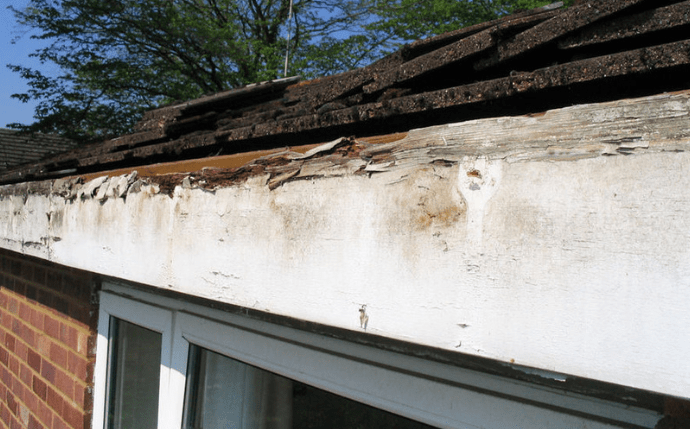
Heavy rain has a way of exposing every weak point around a house. A roof that looked fine in dry weather suddenly sheds sheets of water in the wrong direction. A downspout that seemed harmless starts overflowing like a fountain. Mulch washes out, basement walls dampen, and fascia boards begin the slow process of rot. In many cases, the problem does not start with the roof at all. It starts with neglected gutters.
That matters in a place like Hackettstown, where homes see a real mix of seasonal debris, summer downpours, and periods of freeze and thaw that can turn a minor drainage issue into a repair bill. Gutter Cleaning Hackettstown is not just a maintenance chore to check off once a year. It is one of the simplest ways to protect siding, foundations, landscaping, and the roofline before heavy rain tests the system.
Homeowners often underestimate how much water a roof moves during a storm. Even a modest roof can channel hundreds of gallons in a short period. Gutters and downspouts are supposed to collect that runoff and carry it away from the home in a controlled path. Once leaves, seed pods, roof grit, and shingle granules begin to build up, that path gets restricted. Water then does what it always does. It finds another route.
Why gutters fail when rain gets serious
A gutter system can seem functional right up until the moment it is overwhelmed. During light rain, partially clogged gutters might still drain slowly enough to avoid obvious overflow. The trouble shows up during a hard storm, when water comes off the roof faster than the blockage can pass it through.
In Hackettstown, that often means spring pollen and seed debris give way to summer growth, followed by heavy leaf drop in autumn. If trees overhang the roof, debris does not collect evenly. It settles in the valleys of the gutter run, especially near corners and downspout openings. Over time, the wet material https://spencerchse164.clarionvale.com/posts/gutter-cleaning-hackettstown-essential-for-roof-and-siding-care compacts. What starts as a loose layer of leaves turns into a dense mat that traps more sediment every month.
I have seen gutters packed so tightly that the top layer looked dry while the bottom held inches of black sludge. From the ground, the homeowner assumed the system was not too bad. Then the next thunderstorm sent water over the front edge, down the siding, and into the flower beds hard enough to gouge channels in the soil. The gutter was technically still attached, but it had stopped doing its job.
The heaviest damage does not always happen dramatically. Sometimes it is a slow pattern. Water backs up under the lower edge of shingles. Trim stays damp. Nail heads rust. In winter, trapped water freezes, expands, and stresses seams and brackets. By the time the homeowner notices peeling paint or a soft fascia board, the original cause may have been months of poor drainage.
Hackettstown homes face some very local challenges
Every town has its own maintenance rhythm. Hackettstown is no different. Older neighborhoods often have mature trees, and mature trees mean more organic debris in gutters. Maples drop helicopters, oaks shed leaves and acorns, and pine needles find their way into every corner. Add roof moss in shaded areas, and a simple gutter cleanout can turn into a heavier restoration of drainage flow.
Another factor is the variety of home styles. Some houses have simple, straight gutter runs that are easy to service. Others have multiple rooflines, dormers, additions, and tied-in sections where water converges. Those more complex layouts are far less forgiving. One clogged upper section can dump water onto a lower roof, which then overloads a lower gutter and creates a cascading failure. Homeowners often focus on the area they can see from the driveway while missing the smaller upper runs where the real blockage starts.
Hackettstown also gets the kind of weather pattern that punishes delay. A dry stretch can lead people to postpone maintenance. Then a storm front arrives with hard rain in a short window, and every neglected section gets tested at once. This is why timing matters as much as the cleaning itself.
What clogged gutters actually put at risk
Most people think first about water pouring over the side, but the real list of risks is broader than that. The gutter system is tied into several vulnerable parts of the house, and once it stops controlling runoff, the consequences spread.
Here are the most common trouble spots:
- Foundation areas where repeated overflow saturates the soil and increases hydrostatic pressure against basement walls.
- Fascia and soffits that stay wet long enough to rot, delaminate, or invite insects.
- Roof edges where backed-up water can creep under shingles and damage the decking below.
- Siding and trim that stain, peel, or warp after frequent splashback.
- Landscaping and walkways where concentrated runoff erodes beds and creates slippery surfaces near entries.
None of these problems need a once-in-a-century storm to develop. A few strong rain events with poor drainage are often enough.
The warning signs homeowners miss
Some gutter problems announce themselves clearly. Others leave quieter clues. If you know what to look for, you can catch issues before the next heavy rain turns them into repairs.
Water marks on the siding are one of the easiest signs to spot. They often appear as vertical streaks beneath a section of gutter that has been spilling. Another clue is plant growth in the gutter itself. If you can see green shoots or even small weeds from the ground, there is enough trapped organic matter to support roots, which means drainage has been compromised for a while.
Listen during storms, too. A working gutter system has a fairly consistent sound. Overflow tends to create irregular splashing, drumming, or waterfall-like noise concentrated in one area. If one corner of the house sounds much louder than the rest, that section may be blocked or sloped poorly.
Then there are the indirect signs. Basement dampness after rain, recurring mulch washout, moss near the lower roof edge, and unexplained paint failure can all point back to gutter performance. Homeowners often treat each symptom separately without noticing the common cause.
Timing matters more than most people think
There is no universal calendar date that works for every home. The right cleaning schedule depends on tree cover, roof design, and how much debris your property collects. Still, in Hackettstown, most homes benefit from at least a spring inspection and a more thorough cleaning after the bulk of fall leaf drop.
Spring matters because winter can leave behind compacted debris, granules from aging shingles, and sections of gutter stressed by snow or ice. By early spring, downspouts may still be partially obstructed even if the visible gutter channel looks open. If summer storms arrive before those blockages are cleared, overflow is almost guaranteed.
Fall is the obvious season for gutter attention, but timing is often handled poorly. Cleaning too early can mean doing the work before the trees are finished dropping. Waiting too late can leave wet leaves sitting in the system as temperatures dip. That is when material turns heavier, drainage slows, and freeze-thaw cycles begin to strain joints and hangers.
On heavily wooded lots, one cleaning a year is rarely enough. It is common for homes under dense tree cover to need another pass or at least a targeted check of problem areas. This is especially true where roof valleys feed concentrated debris into a short gutter run.
What proper gutter cleaning really involves
A lot of homeowners picture gutter cleaning as scooping out leaves and moving on. That is only part of the job. A proper service or thorough DIY effort goes further.
First, all loose and compacted debris needs to be removed from the gutter channels by hand or with the right tools. Simply blowing debris around often leaves the heavy, wet material packed near downspout outlets. Second, the downspouts should be tested and flushed. This is where many systems fail. A gutter can look clear while the downspout elbow remains packed with sludge.
After that, the person doing the work should be watching for structural issues. Are hangers loose? Are seams separating? Is the pitch still guiding water toward the outlet? Are end caps intact? A clean gutter with poor slope is still a problem during a downpour.
Finally, the surrounding roof edge and drainage discharge points deserve attention. If water exits the downspout but empties too close to the foundation, the system is only doing half its job. Extensions, splash blocks, or underground drains may need adjustment.
That is why Gutter Cleaning Hackettstown is best viewed as a drainage inspection as much as a debris removal task. The debris is obvious. The hidden faults are what tend to get expensive.
The trade-off between doing it yourself and hiring a professional
Some homeowners are comfortable working on ladders and can handle basic gutter maintenance safely. Others should not be on a ladder at all, especially with second-story sections, steep grades, or complex rooflines. There is no shame in that. Falls happen fast, and gutters are often cleaned in less-than-ideal conditions, with wet leaves, slippery shoes, and awkward reach angles.
The DIY route makes sense when the house is a single story, access is straightforward, and the person doing the work has stable equipment and enough experience to recognize problems beyond the debris. It can save money and give you a close look at the condition of the roof edge.
Professional service becomes the better option when height, roof complexity, heavy clogging, or drainage issues are involved. A good technician will not only clean the system but also identify loose brackets, disconnected downspouts, hidden leaks at seams, and sections pulling away from the fascia. That judgment matters. A homeowner may clean everything out and still miss the fact that one run is pitched the wrong way.
Another consideration is disposal. Wet gutter debris is heavier than people expect. On larger homes, the amount removed can be substantial, especially if the gutters have been neglected for more than a season. Professionals usually have a smoother process for clearing, bagging, and hauling away the material without spreading mud all over walkways and planting beds.
Gutter guards help, but they do not eliminate maintenance
This is one of the most common misconceptions I run into. Homeowners install gutter guards and assume the problem is solved for good. The reality is more nuanced.
Some guard systems reduce the amount of large debris entering the gutter, and on the right house they can help quite a bit. They are especially useful where broad leaves are the main issue and the roofline is simple. But no guard is maintenance-proof. Small debris still accumulates. Pine needles can bridge over openings. Roof grit and fine sediment settle into the system. In some designs, debris collects on top of the guards and needs to be removed before it mats down.
Guards can also make inspection more difficult. A gutter that looks tidy from the ground may be holding hidden buildup beneath the cover. During heavy rain, these systems can underperform if they were installed poorly or paired with an inadequate gutter size for the volume of runoff.
So if you have guards, think of them as a debris reduction tool, not a permanent escape from gutter maintenance.
Heavy rain exposes installation flaws, too
Not every overflow problem is caused by clogs. Sometimes the gutter system was undersized, installed with poor pitch, or supported too far apart. These issues become obvious in strong rain because even a clean gutter can struggle if it lacks capacity or slope.
Older homes sometimes have sections where repairs were done in pieces over the years. You might find one downspout size on the front, another on the back, and a short run tied into an extension without enough drop. Water follows the path of least resistance, and if the system was patched rather than planned, one storm can reveal all of those compromises.
I remember one home where the owner insisted the gutters had been cleaned twice but the same front corner still overflowed. The actual issue was a subtle reverse pitch across a long run. Water from both directions collected near the middle, then lagged on its way to the outlet. During normal rain, it looked acceptable. During hard rain, it overtopped the front lip. No amount of cleaning would have fixed that without re-pitching the section.
That is another reason to treat cleaning as inspection. A clean system should drain decisively. If it does not, debris may not be the main problem.
Preparing before the forecast turns ugly
When a stretch of heavy rain is predicted, a quick property check can save a lot of trouble. You do not always need a full service on the spot, but you do want to know whether the water will have a clear path away from the house.
A sensible pre-storm check usually includes:
- Visible gutter runs checked for overflowing debris, sagging sections, or plant growth.
- Downspout outlets cleared so water can discharge freely and away from the foundation.
- Problem corners monitored for staining or past overflow marks.
- Ground drainage paths inspected to make sure extensions and splash blocks are still in place.
- Basement or crawlspace areas reviewed after rain to catch moisture signs early.
That kind of quick review is especially useful if your home has had overflow before. Repeat trouble spots rarely fix themselves.
Why postponing service often costs more than expected
People usually delay gutter cleaning for understandable reasons. It is easy to forget, not especially glamorous, and often out of sight. The cost of service can also feel optional when nothing appears wrong. But deferred maintenance is where the economics shift against the homeowner.
A routine cleaning is one category of expense. Replacing rotted fascia, repairing stained siding, correcting landscape washout, resealing basement cracks, or rehanging separated gutters is another category entirely. Once moisture has affected wood trim or the edge of the roof deck, repair work becomes more invasive and more expensive.
There is also the issue of compounding damage. One season of overflow may stain siding. Another may soften wood and attract carpenter ants. Another may let enough water collect near the house to worsen basement seepage. The original trigger, clogged gutters, remains one of the least expensive problems in that chain to solve.
Choosing the right service in Hackettstown
When homeowners look for Gutter Cleaning Hackettstown services, the smart question is not just price. It is scope. What exactly is included? Are downspouts flushed? Is minor tightening of loose components part of the visit? Will the crew report visible damage or simply remove debris and leave?
The best service providers tend to be clear about access limitations, roof safety, and what they can reasonably evaluate from the ladder. They do not promise miracles, and they do not pretend every overflow issue is just leaves. If a section needs re-pitching or a hidden underground drain appears blocked, a credible contractor will say so directly.
It also helps to ask about timing. If your property is heavily wooded, the cheapest appointment in early fall may not be the most useful one. A slightly later cleaning, after the main leaf drop, may deliver better value. On the other hand, if you already have partial blockages and a storm pattern in the forecast, waiting for the ideal leaf schedule may be a bad gamble. This is where local judgment matters more than generic advice.
A clean gutter system does quiet work
The best gutter systems are almost invisible when they are functioning properly. Rain falls, water moves, the ground near the house stays stable, and nobody thinks much about it. That is exactly the point. Gutters are not supposed to attract attention. They are supposed to prevent trouble.
For homeowners in Hackettstown, preparing for heavy rain starts well before the clouds build. It starts with making sure the roof drainage system can handle the volume that is coming. Clean channels, open downspouts, sound brackets, and proper discharge can spare a house from a long list of avoidable moisture problems.
Gutter maintenance is not glamorous, but it is practical, protective, and far cheaper than the damage it helps prevent. When the next heavy rain rolls through Hackettstown, the houses that fare best are usually not the newest or the fanciest. They are the ones where the water has somewhere reliable to go.
Just Gutters LLC
Address: 262 Main St, Hackettstown, NJ 07840
Phone number: +12013319454
FAQ About Gutter Cleaning Hackettstown
How much should a gutter clean cost?
Professional gutter cleaning typically costs between $163 and $333, with a national average of around $210 to $250 for a standard-sized home.
What months should you clean gutters?
You should clean your gutters twice a year—once in late autumn (November to December) and once in late spring (April to May).
Is it worth paying for gutter cleaning?
Yes, paying for gutter cleaning is worth it because it prevents thousands of dollars in water damage, roof leaks, and structural repairs.